For commercial fleet owners in 2026, the stakes for maintenance have never been higher. Between tightening CVSA Out-of-Service (OOS) criteria and the FMCSA’s split of CSA scores into "Vehicle Maintenance" and "Driver Observed" categories, a single missed inspection can sideline your operations. Choosing the right fleet maintenance partner isn't just about finding someone who can turn a wrench: it's about finding a partner that understands the technology, compliance, and urgency of modern logistics. At Northpoint Truck Center, we know that downtime is the enemy of your bottom line. To help you navigate your options, we’ve compared the primary types of fleet maintenance services and outlined exactly what you should look for to keep your trucks moving forward. Comparing Your Fleet Maintenance Options When it comes to maintaining a heavy-duty fleet, you generally have three paths. Each has its own set of pros and cons, especially when considering the 2026 regulatory environment. 1. In-House Maintenance Many large fleets choose to run their own shops. This provides maximum control over scheduling but comes with massive overhead. Pros: Direct control, immediate priority for your own trucks. Cons: Extremely high costs for specialized diagnostic tools, technician training, and facility upkeep. It is often difficult to keep up with 24/7 emergency needs outside your home base. 2. Dealership Service Centers Dealerships offer brand-specific expertise and access to proprietary parts. Pros: Deep knowledge of specific makes/models. Cons: Often the most expensive option. Lead times can be long, as dealerships prioritize warranty work, and they may lack the flexibility for customized fleet maintenance programs. 3. Specialized Third-Party Fleet Centers (The Northpoint Approach) Independent, heavy-duty repair centers like Northpoint Truck Center bridge the gap between cost and quality. Pros: Specialized expertise across all makes/models, faster turnaround times, and lower labor rates than dealerships. We focus on being a partner in your compliance, not just a service stop. Cons: Quality can vary between providers (which is why your selection criteria are so important). Key Criteria 1: Advanced Diesel Engine Diagnostics Modern heavy-duty trucks are computers on wheels. In 2026, a "wait and see" approach to engine lights is a recipe for a roadside disaster. When choosing a provider, ensure they use current-generation diagnostic software that can communicate with all major engine brands. At Northpoint, we utilize advanced diesel engine diagnostics to catch issues before they trigger an electronic logging device (ELD) fault or a roadside breakdown. This level of precision is essential for maintaining a high Vehicle Maintenance CSA score. Key Criteria 2: 2026 DOT & CVSA Compliance The 2026 CVSA Out-of-Service criteria have tightened the thresholds for brakes, tires, and lighting. A maintenance partner must be more than just "mechanically inclined": they must be compliance-certified. Your provider should: Perform Certified DOT Inspections that mirror the current North American Standard. Support digital recordkeeping. The FMCSA now expects 90 days of digital DVIRs and maintenance work orders to be readily available during audits. Understand the "Driver Observed" category. We help train your drivers to catch bald tires or broken lights during pre-trips, preventing easy violations that damage your safety rating. Key Criteria 3: Brake and Air System Safety Brake-related issues remain the leading cause of OOS orders during annual Roadcheck events. Your maintenance program must prioritize these safety-critical systems. Our specialized brake and air system services go beyond simple pad replacements. We inspect the entire air circuit, including valves, compressors, and lines, to ensure maximum stopping power and absolute compliance. Key Criteria 4: 24/7 Roadside Assistance Fleet maintenance doesn't just happen in the shop. When a truck goes down at 2:00 AM on a wet North Florida highway, you need a partner who answers the call. A reliable provider offers: 24/7 Mobile Repair: The ability to perform many repairs on-site to avoid a tow. Fast Response Times: Every minute your truck is stationary is lost revenue. Qualified Road Technicians: Mechanics who can perform complex diesel engine diagnostics and repairs in the field. Key Criteria 5: Comprehensive Fleet Maintenance Programs The best maintenance is the kind that prevents repairs. Look for a provider that offers customized preventive maintenance (PM) programs tailored to your specific mileage, cargo types, and routes. At Northpoint Truck Center, our PM programs are designed to minimize downtime and maximize the life of your vehicles. We track your fleet’s service history, alerting you when inspections are due and ensuring every semi-trailer repair is documented for your safety files. Summary: What to Ask Your Next Provider Before signing a fleet service agreement, ask these five questions: Do your inspection checklists match the 2026 CVSA OOS criteria? Can you provide digital, audit-ready records for all repairs? What is your priority scheduling for fleet customers? Do you offer 24/7 emergency roadside assistance with mobile diagnostics? How do you help our drivers minimize "Driver Observed" violations? Drive the Future with Northpoint Truck Center Choosing a fleet maintenance service is a decision that impacts your safety, your compliance, and your profitability. At Northpoint Truck Center, we pride ourselves on being the power behind your operation. From advanced diagnostics to 24/7 roadside heroics, we are committed to keeping North Florida’s fleets moving forward. Ready to upgrade your maintenance program? Contact us today to discuss a customized fleet solution or book an appointment for your next DOT inspection.
7 Mistakes You’re Making with Semi Trailer Repair (and How to Fix Them Before Your Next DOT Inspection)
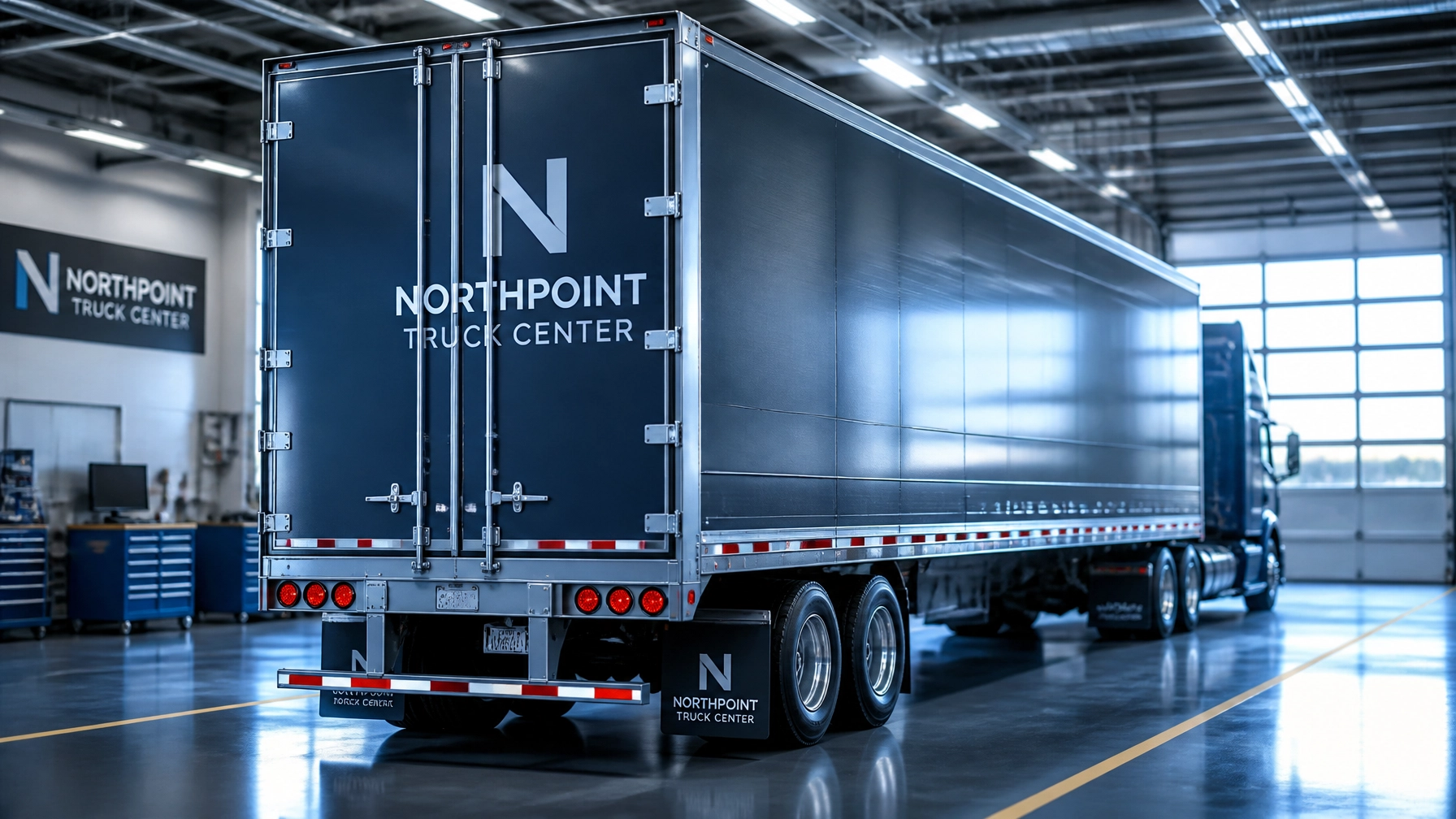
For fleet owners and owner-operators in North Florida, a semi-trailer isn’t just a piece of equipment; it’s the backbone of your revenue. When a trailer is sidelined by a failed DOT inspection or a mechanical breakdown, your entire operation stops moving. In 2026, the Commercial Vehicle Safety Alliance (CVSA) has heightened its focus on trailer-specific defects, particularly in braking systems and wheel ends. Many trailers that appear "road-ready" are actually harboring violations that lead to immediate Out-of-Service (OOS) orders. At Northpoint Truck Center, we see these issues daily. To help you minimize downtime and ensure safety, we’ve compiled the seven most common mistakes made during semi-trailer repair and: more importantly: how to fix them before your next inspection. 1. Relying on the "Thump Test" for Tire Pressure One of the most frequent mistakes in trailer maintenance is using a hammer or a tire thumper to check inflation. While this might identify a completely flat tire, it cannot detect a tire that is 10% or 15% underinflated. The DOT is increasingly strict about tire pressure because underinflation is the leading cause of blowouts and poor fuel economy. In 2026, inspectors are using precise digital gauges, and you should too. The Fix: Use a Gauge: Require your team to use calibrated digital pressure gauges for every pre-trip and maintenance check. Check Between Duals: Use a flashlight to inspect the inner tire of a dual set. Hidden debris or sidewall damage between tires is a common reason for inspection failure. Depth Matters: Measure tread at the shallowest point, not just the center. If it’s near 2/32 of an inch, replace it immediately. 2. Superficial Lighting Fixes (Ignoring the Circuit) It’s easy to see a dead marker light and swap the bulb. However, if the root cause is a corroded wire or a loose ground, that light will likely fail again before the trailer reaches its destination. Lighting and electrical violations remain among the top reasons for roadside citations. The Fix: Inspect the Circuit: When a lamp fails, check the connector for green corrosion. If found, clean the connection and apply dielectric grease. Seal Your Splices: Never use temporary tape or non-sealed connectors. Always use heat-shrink crimp connectors to keep North Florida’s humidity out of your wiring. Full Walk-Around: After any electrical repair, perform a full light check: brakes, turn signals, markers, and the ABS indicator lamp. 3. Skipping Post-Repair Brake Stroke Verification Replacing a brake chamber or a slack adjuster is a standard semi trailer repair. The mistake occurs when a technician installs the part but fails to verify the pushrod stroke. If the stroke is out of adjustment by even a fraction of an inch, the trailer is non-compliant. The Fix: Measure the Stroke: Always measure pushrod travel under 80–90 psi of air pressure after any brake work. Balanced Components: If you replace a chamber on one side of an axle, inspect the opposing side. Uneven braking leads to cracked linings and premature wear. Professional Certification: Use certified technicians who understand CVSA stroke tolerances for various chamber sizes (e.g., Type 30 vs. Type 30 Long Stroke). 4. Overlooking Small Air Leaks In a loud shop or busy yard, a small "hiss" is easy to ignore. However, DOT inspectors are trained to listen for air leaks. Any audible leak in the service or emergency system is an automatic violation. Small leaks also force your compressor to work harder, leading to engine wear and increased fuel consumption. The Fix: The Pressure Test: Charge the system to 120 psi, turn off the engine, and monitor the gauges. For a tractor-trailer, the loss should not exceed 4 psi per minute with the brakes applied. Soap and Water: If you suspect a leak, use a spray bottle with soapy water on fittings and valves. Bubbles will pinpoint the exact failure point. Proactive Replacement: If a hose shows signs of chafing or weather-cracking, replace it before it becomes a roadside emergency. 5. Neglecting Hub and Wheel-End Seals Wheel-end failures are catastrophic and dangerous. A common mistake is focusing solely on the tires while ignoring the hub. A leaking wheel seal can contaminate brake linings, making them ineffective and creating a fire hazard. The Fix: Visual Hub Check: Look for "starburst" oil patterns on the wheel rims, which indicate a leaking seal. Temperature Checks: Use an infrared thermometer after a run. A significantly hotter hub compared to the others indicates a bearing issue or a dragging brake. Keep it Clean: Ensure hub caps are tight and the oil levels are within the "Full" range using the sight glass. 6. Weak Structural Welds and Corrosion Trailers endure immense stress and exposure to road salts and moisture. A "quick weld" on a cracked crossmember or a landing gear bracket is a major mistake. If a DOT inspector sees a poor-quality weld on a structural component, they will flag it as "parts in disrepair." The Fix: Certified Welding: Structural repairs on frame rails or kingpins should only be performed by experienced welders following OEM standards. Corrosion Control: Treat rusted areas and apply protective coatings. If a crossmember has lost significant metal thickness, it must be replaced, not patched. Floor Integrity: Inspect for soft spots or broken boards in the trailer floor. These can compromise load securement and safety. 7. Failing to Document the Fix You can perform the best repair in the world, but if it isn’t documented, it didn’t happen in the eyes of the DOT. Failing to update the Driver Vehicle Inspection Report (DVIR) or missing the annual inspection sticker is a common administrative mistake that leads to fines. The Fix: Sign-Off: Ensure every repair noted on a DVIR is signed off by a technician as "corrected" before the trailer returns to service. Maintain Records: Keep detailed maintenance logs for your fleet. This helps track recurring issues and proves a commitment to safety. Annual DOT Inspections: Stay ahead of the game by scheduling your DOT inspection services before the current sticker expires. Moving Forward with Northpoint Truck Center Managing

Is Your Fleet Service Provider Bad? 10 Red Flags to Watch Out For
In the logistics and transportation industry, your fleet is your most valuable asset. Every hour a truck sits in a bay instead of on the road is an hour of lost revenue and potential damage to your reputation. To minimize downtime and maximize profitability, you need a fleet service provider that functions as a strategic partner, not just a repair shop. However, not all service providers are created equal. Some may prioritize quick, temporary fixes over long-term reliability, leading to recurring issues and safety risks. Recognizing the warning signs of a failing service relationship is critical to protecting your bottom line. If you suspect your current provider isn't meeting the mark, here are 10 red flags to watch out for. 1. Frequent "Comebacks" and Repeat Repairs One of the most telling signs of a poor service provider is the "comeback": when a truck returns to the shop for the exact same issue within a few weeks of being "fixed." While occasional complex issues may require secondary adjustments, a pattern of repeat repairs indicates poor diesel engine diagnostics or rushed workmanship. If your technicians are merely treating symptoms rather than identifying the root cause, you aren't just paying for the same repair twice; you are suffering doubled downtime. A quality provider ensures the job is done right the first time, maintaining the stability of your operations. 2. Lack of Communication and Transparency When your vehicle is in the shop, you should never have to chase down an update. A professional fleet maintenance services provider should proactively communicate status updates, parts availability, and expected completion times. Vague answers like "we're working on it" or "it should be ready soon" without concrete details are major red flags. Transparency in communication builds trust and allows you to plan your logistics around realistic timelines. If you feel left in the dark, it’s time to find a partner who values your schedule as much as you do. 3. No Focus on Preventive Maintenance (PM) A bad service provider thrives on breakdowns because emergency repairs often carry higher margins. A great provider, however, focuses on preventive maintenance programs designed to catch small issues before they become catastrophic failures. If your current shop only sees your trucks when something breaks, they aren't helping you manage your fleet; they are reacting to its decline. A reliable partner will help you track mileage and engine hours to schedule oil changes, filter replacements, and system checks, ensuring long-term vehicle health. 4. Outdated Diagnostic Technology Modern heavy-duty trucks are essentially rolling computers. Relying on "gut feeling" or basic code readers is no longer sufficient for complex engine and aftertreatment systems. If your provider lacks the latest diesel engine diagnostics software, they are guessing at your expense. Advanced tools are required to quickly identify and solve mechanical issues in modern fleets. Without them, diagnostic time balloons, and the risk of misdiagnosis: leading to unnecessary parts replacement: skyrockets. 5. Vague Invoicing and Hidden Costs Your invoices should be clear, itemized, and consistent with the original estimates. If you frequently find "miscellaneous shop fees," unexplained labor hours, or parts markups that weren't discussed, you have a transparency problem. A trustworthy provider offers competitive pricing and stands by their quotes. If you are consistently hit with "surprise" costs once the truck is already disassembled in the bay, you are being held hostage by poor business practices. 6. Absence of 24/7 Roadside Assistance Breakdowns don't happen on a 9-to-5 schedule. If your service provider doesn't offer 24/7 roadside assistance, they aren't fully committed to your fleet's success. When a driver is stranded at 2:00 AM, you need an immediate mobile truck repair solution. A provider that leaves you to find a third-party towing company or a different emergency mechanic increases your downtime and complicates your billing. Your primary service partner should be the one to answer the call, day or night. 7. Chronic Turnaround Delays In the world of logistics, speed is everything. While parts shortages can occasionally cause delays, chronic "slow turnaround" is usually a symptom of a disorganized shop or a lack of priority for fleet customers. At Northpoint Truck Center, we understand that "Moving Forward" is the only direction that matters. If your trucks are consistently sitting for days for routine semi trailer repair or simple component swaps, your provider is failing to prioritize your fleet scheduling. 8. Poor Record Keeping and Documentation A heavy-duty fleet generates a mountain of data. For compliance and resale value, you need meticulous records of every repair, inspection, and part replacement. If your provider struggles to produce a service history for a specific VIN or provides handwritten, illegible notes, you are at risk. Proper documentation is essential for tracking warranty claims and proving DOT inspection compliance. A data-driven partner provides digital records that make fleet management effortless. 9. Uncertified or Inexperienced Technicians The quality of a repair is only as good as the technician performing it. Heavy-duty diesel engines and air systems are specialized fields that require expert training. Red flags include high staff turnover or a shop that seems to rely entirely on entry-level helpers for complex engine work. You deserve a team of expert technicians who are certified and experienced in the specific makes and models you run. Ask about their certifications; a proud shop will be happy to share them. 10. Failed Safety and DOT Inspections The most dangerous red flag is a safety failure. If your trucks are consistently flagged for "out-of-service" violations during roadside inspections shortly after leaving the shop, your provider is cutting corners. Whether it’s brake and air systems or lighting and tires, there is no room for error. A reputable shop prioritizes safety above all else. They should perform thorough DOT inspection services that ensure your drivers are safe and your company is compliant with all CVSA standards. The Northpoint Difference: Drive the Future If your current service provider is waving these red flags, it’s time for a change. You need a partner that understands the high stakes of

7 Mistakes You’re Making with Semi Trailer Repair (and How to Fix Them Before Your Next DOT Inspection)
For fleet managers and owner-operators, a semi-trailer is more than just a box on wheels: it is the backbone of your delivery promise. However, trailer maintenance is often sidelined in favor of engine work, leading to unexpected breakdowns and costly out-of-service (OOS) orders during DOT inspections. In 2026, roadside enforcement has become more stringent, with a focus on holistic vehicle safety. At Northpoint Truck Center, we see the same patterns leading to failed inspections. To help you stay on the road, we have identified the seven most common semi-trailer repair mistakes and the professional steps required to fix them. 1. Treating Brake Systems as Individual Parts The most frequent mistake in trailer repair is replacing a single brake component while ignoring the rest of the system. Brakes are the #1 source of OOS violations, accounting for nearly 40% of all vehicle failures. Many operators replace worn linings but fail to check for air leaks or misadjusted slack adjusters. A "good" brake pad is useless if the air chamber is leaking or the slack adjuster isn't maintaining the proper stroke. The Fix: Treat every brake repair as a system-wide service. At Northpoint, our brake and air system services include a full check of linings, drums, air lines, and ABS functionality to ensure maximum safety. 2. Relying on the "Kick Test" for Tire Pressure Underinflation is a leading cause of tire failure and DOT citations. Relying on a visual check or a "kick" to gauge tire health is an expensive gamble. In 2026, inspectors are strictly enforcing tread depth and load ratings, especially for trailers carrying heavy freight across North Florida. The Fix: Use calibrated digital gauges for every inspection. Incorporate tire pressure checks into your fleet maintenance programs. Ensure every tire is within 10% of its target PSI and that tread depth exceeds the 2/32-inch requirement for trailers. 3. Fixing Only the Obvious Leaf Spring When a trailer comes in with a leaning deck or a visible crack in a leaf spring, many shops simply swap the broken part. This ignores the root cause: worn bushings, leaking air bags, or damaged hangers that put undue stress on the system. The Fix: Suspension repairs must be comprehensive. When one side shows wear, inspect the entire axle and alignment. We recommend a full system audit during any suspension work to prevent a secondary failure 500 miles down the road. 4. Swapping Bulbs Instead of Repairing Wiring An "inoperable required lamp" is one of the easiest violations for a DOT officer to spot. Often, a driver will replace a bulb, only for the light to fail again due to corrosion in the wiring harness or a poor ground. The Fix: During any lighting repair, inspect the electrical circuit end-to-end. We utilize advanced diagnostics to identify voltage drops and grounding issues, ensuring your trailer remains visible and compliant in all conditions. 5. Neglecting the Fifth Wheel and Coupling Coupling issues are high-risk. We often see fifth wheels that are bone-dry or kingpins with significant wear that are ignored during routine trailer maintenance. A failure here is catastrophic. The Fix: Regularly degrease and inspect the fifth wheel locking mechanism. Perform a "tug test" after every coupling and ensure the kingpin is within manufacturer tolerances. If you experience a coupling issue on the road, our 24/7 roadside assistance is available to get you secured and moving again. 6. Patching Structural Damage with Temporary Fixes Structural integrity is a major focus of the 2026 CVSA updates. Using ad-hoc welds or "scabbing" on a frame rail or cross-member will trigger an immediate OOS order. The Fix: Structural repairs must restore the trailer to its original strength and geometry. Never use temporary patches for frame cracks. Professional welding and certified replacement parts are the only way to ensure the trailer can handle its rated load capacity safely. 7. Failing to Document the Fix You can have the best-maintained trailer in the world, but if your documentation is missing or incomplete, you are non-compliant. "Operating without proof of periodic inspection" is a top-five vehicle violation in 2026. The Fix: Every repair must be logged in your Maintenance Status Record. Ensure a copy of the most recent DOT inspection service is kept in the vehicle. Proper record-keeping proves your commitment to safety and can minimize fines during an audit. Keep Your Fleet Moving Forward Semi-trailer maintenance is about more than just avoiding fines; it is about protecting your drivers and your cargo. By moving away from reactive "patch" repairs and toward a professional, system-based maintenance strategy, you minimize downtime and maximize reliability. At Northpoint Truck Center, we are your partners in progress. Whether you need priority fleet scheduling or emergency mobile repair, our expert team is ready to keep your operation moving forward. Drive with Confidence Don’t wait for a roadside violation to find a problem. Book an appointment today for a comprehensive trailer inspection and stay ahead of the DOT.
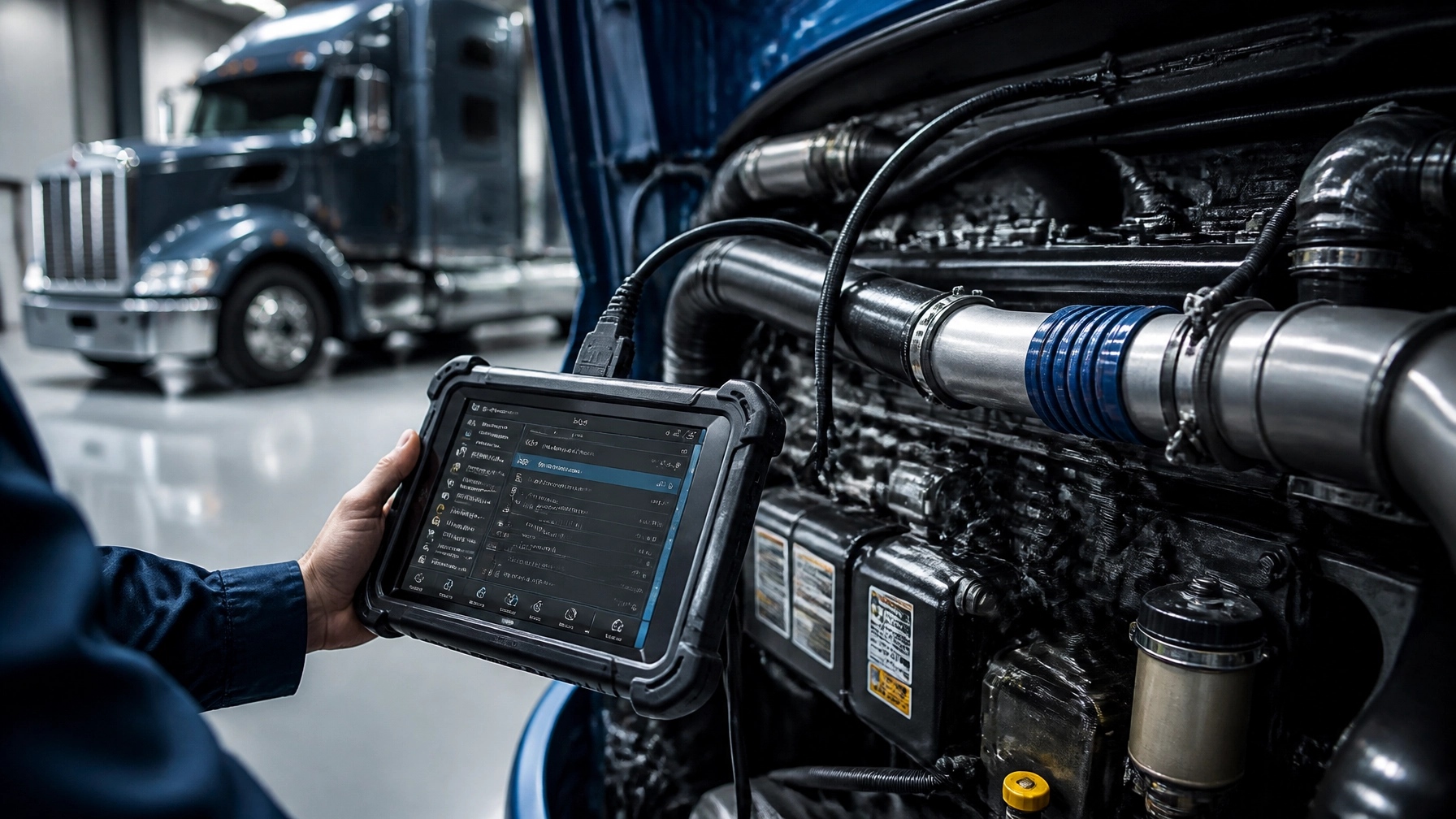
Looking For Expert Diesel Engine Diagnostics? 10 Things You Should Know Before Your Next DOT Inspection
For fleet owners and owner-operators in North Florida, the DOT inspection isn’t just a legal hurdle, it’s a critical checkpoint for the safety and longevity of your business. A single "Out of Service" (OOS) violation can ground your vehicle, disrupt your logistics chain, and hit your bottom line with heavy fines. While many drivers focus on tires and lights, the heart of your truck, the engine, is often where the most complex compliance issues hide. Modern heavy duty diesel repair has shifted from simple mechanical adjustments to sophisticated digital analysis. Understanding how diesel engine diagnostics intersect with DOT requirements is the key to maintaining a clean record and a reliable fleet. At Northpoint Truck Center, we specialize in bridging this gap. We ensure your trucks aren't just "running," but are fully compliant and optimized for the long haul. Here are 10 critical things you need to know about diesel diagnostics before your next DOT inspection. 1. Active DTCs are a Red Flag for Inspectors Diagnostic Trouble Codes (DTCs) are your engine's way of signaling that something is wrong. While not every code will automatically result in a failure, a "Check Engine" or "MIL" (Malfunction Indicator Lamp) light is an immediate invitation for an inspector to dig deeper. If your dashboard is lit up like a Christmas tree, you’re essentially flagging your vehicle for a more rigorous secondary inspection. Expert diesel engine diagnostics can clear these codes, not by just hitting "delete," but by fixing the underlying sensor or mechanical fault. 2. Leak Detection: More Than Just a Puddle Under 49 CFR 396.17, federal inspectors look closely at fuel, oil, and coolant systems. Any visible leak is a liability. However, some leaks aren't obvious to the naked eye. Advanced diagnostics can identify pressure drops in the fuel rail or cooling system before they become visible drips on the pavement. Addressing these during routine fleet maintenance services prevents emergency roadside failures. 3. The Smoke Signal: Opacity and Emissions If your exhaust is putting out excessive black, blue, or white smoke, you are at high risk for an emissions-related violation. Smoke opacity is a direct reflection of engine health. Black smoke usually indicates a fuel-to-air ratio problem, while blue smoke points to oil consumption. Modern semi truck engine repair requires analyzing the Diesel Particulate Filter (DPF) and Selective Catalytic Reduction (SCR) systems to ensure you aren't leaving a trail that attracts unwanted attention from authorities. 4. Fuel System Integrity and "Limp Mode" A faulty fuel injector or a failing high-pressure pump won’t just hurt your MPG; it can trigger "Limp Mode." If a DOT inspector notices your truck struggling to move or lacking the power to maintain highway speeds safely, they can deem the vehicle a hazard. Early diagnostics can catch fuel delivery issues, ensuring your truck has the power it needs to stay compliant and on schedule. 5. Cooling System Stability An overheating engine is a dangerous engine. Inspectors look for cracked hoses, worn belts, and low coolant levels. Through our mechanical services, we use diagnostic tools to monitor real-time temperatures and fan clutch engagement. If your engine’s cooling system isn't communicating correctly with the ECM, you’re looking at a potential OOS order during a roadside check. 6. The Air Compressor Connection Your diesel engine powers more than just the wheels, it powers your brakes. The air compressor is a vital component of the engine assembly. If diagnostics show the compressor is cycling too frequently or failing to maintain pressure, your entire brake system is compromised. This is one of the most common reasons for failed DOT inspection services. 7. Electrical System Health Modern trucks rely on a complex network of wires and modules. A failing alternator or a parasitic battery drain can lead to dimming lights or faulty sensor readings. Since lighting is a primary focus of DOT inspections, ensuring your engine’s electrical output is stable is paramount. We recommend a full electrical diagnostic as part of your fleet maintenance services. 8. Turbocharger Performance A leaking turbo seal or a failing actuator can cause significant oil consumption and power loss. Inspectors often check for oil residue around the turbocharger housing. Diagnostic tools can measure boost pressure and VGT (Variable Geometry Turbo) position to ensure the system is operating within factory specs, preventing expensive roadside emergency truck repair. 9. Software Updates and ECM Calibration Sometimes, "engine problems" are actually software problems. Manufacturers frequently release ECM updates that improve emissions compliance and fuel efficiency. Part of expert diesel engine diagnostics involves checking for these updates. An unoptimized ECM can cause the engine to run "dirty," leading to failed emissions tests in states with strict opacity requirements. 10. Predictive vs. Reactive Maintenance The best way to pass a DOT inspection is to never have a "surprise" failure. By utilizing regular heavy duty diesel repair diagnostics, we can see the "health trends" of your engine. We look for rising exhaust temperatures or fluctuating oil pressures that signal a future failure. This proactive approach keeps you "Moving Forward" rather than stuck in a repair bay. Why Northpoint Truck Center is Your Best Partner Based in Jacksonville, FL, Northpoint Truck Center understands the unique demands of North Florida logistics. Whether you are running up and down I-95 or managing local deliveries, our team provides the precision and speed you need. Our mobile truck repair units are equipped with the same advanced diagnostic software found in our shop, allowing us to perform semi truck engine repair wherever you are. We don't just fix symptoms; we solve the root cause to ensure your fleet stays compliant and your drivers stay safe. Minimize Downtime, Maximize Compliance Don't wait for a roadside inspector to find a problem. Our DOT inspection services are designed to be thorough and efficient. We use a "no-surprises" approach, identifying every potential issue before it becomes a violation. Conclusion: Drive the Future with Confidence The transition from traditional mechanical work to digital diesel engine diagnostics is a win for fleet owners. It provides a level of

Diesel Engine Diagnostics 101: A Beginner’s Guide to Mastering Fleet Performance
For commercial fleet owners and owner-operators across North Florida, a single truck off the road isn't just a mechanical failure; it is a direct hit to the bottom line. In the high-stakes world of logistics and transportation, the ability to minimize downtime and maximize vehicle reliability is what separates a profitable operation from one that is struggling to keep up. Modern heavy-duty diesel engines are no longer purely mechanical machines. They are sophisticated, data-driven systems governed by complex electronics. Mastering fleet performance in 2026 requires more than just a wrench and a set of ears: it requires a deep understanding of diesel engine diagnostics. This guide serves as an essential introduction for those looking to leverage technology to drive their business forward. Decoding the ECM: The Brain of Your Fleet Every modern heavy-duty truck is equipped with an Electronic Control Module (ECM). Think of the ECM as the central nervous system of the vehicle. It continuously monitors thousands of data points from various sensors located throughout the engine, transmission, and exhaust systems. When a sensor detects a reading that falls outside of the programmed safety parameters: whether it is an abnormal fuel pressure spike or a temperature fluctuation in the aftertreatment system: the ECM logs a fault code. These codes, often referred to as Diagnostic Trouble Codes (DTCs), are the primary language used in diesel engine diagnostics. At Northpoint Truck Center corp, we utilize advanced diagnostic tools to interface directly with the ECM. This allows our expert technicians to bypass the guesswork and identify the root cause of an issue within minutes. Instead of replacing parts until a problem disappears, we use data to ensure every repair is necessary and precise. The 2026 Diagnostic Landscape: Telematics and Real-Time Alerts The industry has moved beyond the "Check Engine" light. In 2026, fleet management is defined by connectivity. Integration between on-board diagnostics and telematics platforms allows fleet managers to monitor vehicle health from hundreds of miles away. Condition-Based Monitoring Traditional maintenance programs rely on fixed intervals: every 15,000 miles or every six months. While this is a solid baseline, it doesn’t account for the reality of heavy-duty operations. Diesel engine diagnostics now enable condition-based maintenance. By monitoring engine-condition alerts such as: Fuel injector performance trends Turbocharger boost consistency Exhaust Gas Recirculation (EGR) flow rates Coolant temperature stability We can identify a component that is nearing failure before it actually breaks. This proactive approach allows you to schedule repairs during planned downtime, avoiding the "heroics" and high costs of emergency roadside assistance. Why Guesswork Kills Your Bottom Line For many owner-operators, the temptation to use a basic handheld scanner or to rely on "gut feeling" is strong. However, heavy-duty diesel systems like the J1939 and J1708 CAN-bus protocols require specialized knowledge to interpret correctly. A simple fault code for "Low Boost Pressure" could be caused by a dozen different issues: a cracked charge air cooler, a failing turbocharger, a leaking manifold gasket, or even a faulty sensor. Without advanced diagnostics, a fleet might waste thousands of dollars replacing a turbocharger when the actual culprit was a fifty-dollar sensor. Precision diagnostics ensure that we: Minimize Parts Waste: Only replace what is broken. Reduce Labor Hours: Spend less time hunting for problems and more time fixing them. Ensure Compliance: Catching emissions-related faults early helps you pass DOT inspections without the risk of costly citations. Our Process: Precision Diagnostics at Northpoint Truck Center At Northpoint, we believe that the best repair starts with the best information. Our diagnostic workflow is designed for speed and accuracy to keep your fleet moving forward. 1. Data Retrieval and Fault Analysis Our technicians connect certified diagnostic interfaces to your vehicle’s data port. We pull active, pending, and historical fault codes to see the full story of the engine's recent performance. 2. Live Data Stream Monitoring Sometimes, a problem only occurs under specific loads or temperatures. We monitor live data streams while the engine is running: or during a controlled test drive: to see how variables like oil pressure and timing respond in real-time. 3. Physical Verification Data points us in the right direction, but our experienced team follows up with physical inspections. We verify sensor readings with manual gauges and borescope inspections when necessary to confirm the diagnostic findings. 4. Direct Communication Once the issue is identified, we provide a clear, concise report. We explain the "why" and the "how," offering solutions that prioritize the long-term stability of your fleet rather than quick fixes that lead to future breakdowns. Maximizing Uptime Through Fleet Maintenance Programs Diagnostics are the most effective when they are part of a broader fleet maintenance strategy. For logistics companies operating across North Florida, having a standardized diagnostic check as part of every preventive maintenance (PM) service is a game-changer. By performing a "health check" scan during every oil change, we can catch early signs of DPF (Diesel Particulate Filter) clogging or transmission lag. These are the small issues that, if ignored, turn into major engine rebuilds. Our goal is to ensure your trucks spend more time on the highway and less time in the service bay. The Role of Safety and Compliance Diagnostics aren't just about the engine; they extend to every safety-critical system on the vehicle. Modern Electronic Braking Systems (EBS) and advanced driver-assistance systems (ADAS) also feed data through the diagnostic port. Regularly scanning these systems ensures that your anti-lock brakes (ABS) and traction control are fully functional. This is a key component of maintaining high safety standards and protecting your drivers: the true heroes of the operation. Whether it is a routine check or a specialized brake and air system service, diagnostic data provides the transparency needed for total vehicle safety. Conclusion: Drive the Future with Data Mastering fleet performance is no longer a matter of luck. It is a matter of precision. By embracing diesel engine diagnostics, you gain the clarity needed to make informed decisions about your equipment. You move from being reactive to being proactive, shifting your focus from
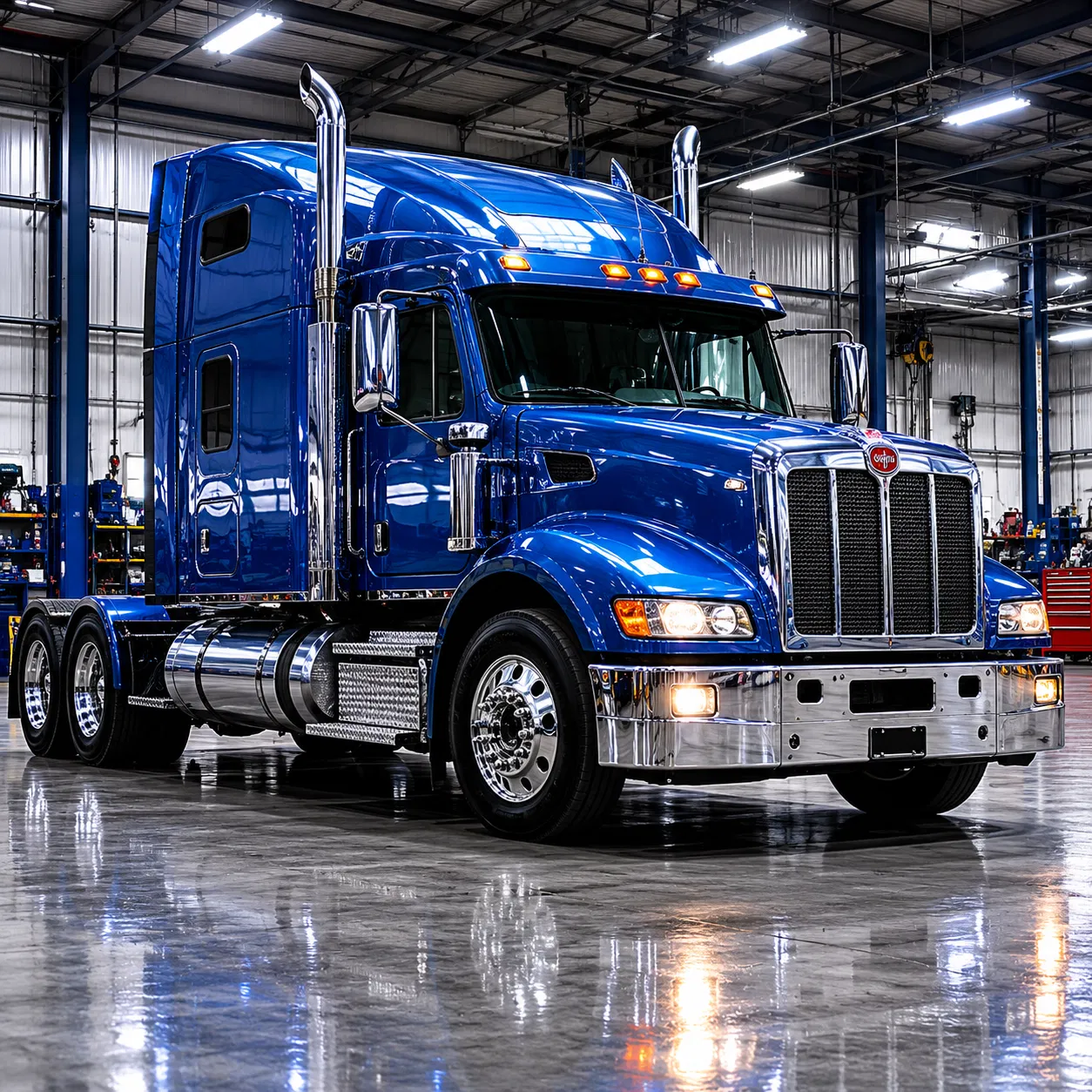
The Ultimate Guide to Fleet Maintenance Services: Everything You Need to Keep Your Trucks on the Road
For commercial fleet owners and logistics managers, downtime is the enemy of progress. Every hour a truck spends off the road is an hour of lost revenue and disrupted schedules. Maintaining a high-performing fleet requires more than just reactive repairs; it demands a proactive, comprehensive strategy that integrates modern technology, expert technicians, and a deep understanding of federal regulations. At Northpoint Truck Center corp, we specialize in keeping your operations moving. This guide provides an in-depth look at essential fleet maintenance services, from preventive programs and 2026 compliance updates to advanced diagnostics and emergency roadside response. The Foundation: Fleet Preventive Maintenance Programs A robust fleet maintenance service is the primary defense against unexpected breakdowns. Rather than waiting for a component to fail, preventive maintenance (PM) identifies wear and tear early, allowing for scheduled corrections that minimize operational impact. Standard PM Service Intervals Most heavy-duty maintenance programs follow a tiered structure to ensure every system is checked at the appropriate time: "A" Service (Basic Inspection): Typically performed every 5,000 to 10,000 miles. This includes a safety check of lights, tires, and fluids, along with a brief mechanical inspection. "B" Service (Comprehensive Check): Occurring every 20,000 to 30,000 miles, this level adds engine oil and filter changes, as well as a more detailed inspection of the drivetrain and braking systems. "C" Service (Major Maintenance): Performed annually or every 50,000+ miles. This involves deep inspections of the cooling system, transmission, and major engine components to prevent catastrophic failure. Customized PM programs at Northpoint Truck Center are designed to match your specific duty cycles, ensuring your trucks remain reliable whether they are handling long-haul routes or stop-and-go vocational work. Navigating 2026: DOT & CVSA Compliance Updates Staying compliant is not just about avoiding fines; it’s about ensuring the safety of your drivers and the public. As of April 1, 2026, the North American Standard Out-of-Service Criteria (OOSC) has been updated with stricter requirements. Key Focus Areas for 2026 ELD Compliance: The 2026 International Roadcheck (scheduled for May 12–14) focuses heavily on Electronic Logging Device (ELD) integrity. Inspectors are scrutinizing devices for signs of tampering, accurate HOS data, and proper mounting. Cargo Securement: New protocols demand more rigorous checks on tie-downs, blocking, and bracing, particularly for flatbed and heavy equipment haulers. Brake System Integrity: The 2026 OOSC includes updated language regarding air leaks and drum/lining thickness. A single significant defect can now more easily result in a vehicle being placed out of service. Our DOT inspection services ensure that your fleet meets these new standards before you hit the scales. We provide certified inspections that mirror the CVSA process, identifying potential OOS violations before they become costly roadside issues. Precision Diagnostics: Solving Diesel Engine Challenges Modern diesel engines are highly complex systems governed by sophisticated electronics. When a "Check Engine" light appears, guessing is not an option. Advanced diesel engine diagnostics are essential for pinpointing the root cause of performance drops or efficiency losses. Modern Diagnostic Tools We utilize specialized software to communicate with your vehicle’s ECM (Engine Control Module). This allows our technicians to: Monitor Real-Time Data: Analyze fuel pressure, turbo boost, and exhaust temperatures while the engine is running. Verify Emissions Compliance: Ensure the DPF (Diesel Particulate Filter) and SCR (Selective Catalytic Reduction) systems are functioning correctly to avoid "derate" modes. Identify Intermittent Faults: Capture data on glitches that only occur under specific load conditions, ensuring a permanent fix rather than a temporary patch. By identifying engine issues early, we help you maximize fuel economy and extend the lifespan of your most valuable assets. Safety First: Brake and Air System Reliability The braking system is the most critical safety component on any heavy-duty vehicle. In commercial trucking, brake-related defects consistently rank as the top cause of out-of-service orders during roadside inspections. Critical Maintenance Steps To ensure maximum safety and performance, your maintenance routine must include: Air System Leak Tests: Identifying and sealing leaks in air lines and valves to maintain proper pressure for emergency braking. Slack Adjuster Verification: Ensuring brakes are properly adjusted to provide even stopping power across all axles. Lining and Drum Inspection: Monitoring wear levels to prevent metal-on-metal contact, which can lead to brake fade or fire. Properly maintained brakes do more than pass inspections: they save lives. Our team specializes in high-quality brake and air system repairs that provide the stability and control your drivers need. Response Time Matters: 24/7 Roadside Assistance Despite the best preventive efforts, mechanical failures can still happen. When a truck breaks down on the shoulder, the priority shifts to speed and safety. Professional mobile truck repair is the bridge between a roadside disaster and getting back on the schedule. Best Practices for Roadside Emergencies Safety First: Drivers should move the vehicle as far onto the shoulder as possible and deploy triangles or flares immediately. Clear Communication: Provide the dispatcher with the exact location and a detailed description of the symptoms (e.g., "coolant leak near the radiator" or "locked rear brakes"). Professional Support: Northpoint offers 24/7 roadside assistance across North Florida. Our mobile units are equipped with diagnostic tools and common parts to perform on-site repairs, often eliminating the need for an expensive tow. Minimizing downtime at the roadside requires a partner who is ready to move when you are. Whether it's a tire blowout or an electrical failure, our mobile technicians are the heroes who keep your cargo moving forward. Complete Solutions: Semi Trailer Repair A fleet is only as reliable as its weakest link. While the tractor gets much of the attention, the trailer is what carries the revenue. Semi-trailer repair is a vital part of a complete maintenance strategy. Maintenance for trailers should include: Lighting and Electrical: Ensuring all turn signals, brake lights, and markers are functional for visibility and compliance. Suspension and Axles: Checking for cracks in the frame or wear in the bushings that could lead to poor tracking and tire wear. Door and Seal Integrity: For refrigerated or dry van units, ensuring the cargo area is secure and

7 Mistakes You’re Making with Aging Fleet Maintenance (and How to Fix Them)
For fleet owners and owner-operators across North Florida, your trucks are more than just vehicles; they are the backbone of your revenue. However, as your fleet ages, the thin line between a profitable operation and a logistical nightmare often comes down to your maintenance strategy. In the heavy-duty diesel industry, "aging" doesn't necessarily mean "obsolete." A well-maintained high-mileage truck can continue to deliver value for years. The problem isn't the age of the equipment: it's the maintenance mistakes that compound over time. When you manage an aging fleet with a "business as usual" mindset, you risk "repair stacking," where one component failure triggers a domino effect of downtime. At Northpoint Truck Center, we specialize in keeping high-mileage assets on the road. Below are the seven most common mistakes we see in aging fleet maintenance and the concrete steps you can take to fix them. 1. Stretching Preventive Maintenance (PM) Intervals The most common mistake is assuming that a few extra hundred miles between oil changes or inspections won't hurt. With a new truck, you might have a buffer. With an aging truck, that buffer is gone. Stretching PM intervals on older engines leads to accelerated wear on internal components that are already near their fatigue limits. The Fix: Stick to a rigid schedule. For older units, consider shortening intervals rather than extending them. Consistent fleet maintenance ensures that small issues: like a weeping seal or a frayed belt: are caught before they leave your driver stranded on I-95. 2. Relying on Reactive "Break-Fix" Maintenance Many operators adopt an "if it ain't broke, don't fix it" philosophy to save on immediate costs. In an aging fleet, this is a recipe for financial disaster. Reactive maintenance costs 3 to 5 times more than planned maintenance. When a truck breaks down in route, you aren't just paying for the repair; you’re paying for the tow, the driver’s downtime, and the potential loss of a client due to a missed delivery. The Fix: Shift to a proactive model. Use advanced diagnostics to identify failing components before they reach a critical state. Our team uses modern tools to look deep into your engine’s performance, allowing us to replace parts on your schedule, not the truck's schedule. 3. Relying Solely on the Odometer If you are still scheduling your maintenance based purely on mileage, you are missing half the picture. Aging trucks often spend significant time idling, especially in heavy traffic or during loading/unloading. Idle time creates "invisible" wear on the engine, injectors, and aftertreatment systems that the odometer doesn't reflect. The Fix: Use engine hours and duty cycles to determine service needs. A truck that spends 40% of its life idling requires more frequent oil analysis and filter changes than a long-haul truck that stays at highway speeds. High-idle aging engines are prone to DPF clogging and oil dilution, which must be managed through hour-based intervals. 4. Neglecting the "Paper Trail" Operating without a centralized maintenance history is like driving in the fog. Without data, you cannot track "repeat offenders": those components that keep failing on the same truck. On an older unit, poor record-keeping hides the true cost of ownership, making it impossible to know when a truck has reached its economic end-of-life. The Fix: Implement a digital tracking system for every service and repair. At Northpoint, we provide detailed reporting that helps you see the patterns. If an aging truck's brake and air systems are failing every three months, it’s time to stop patching and start a comprehensive overhaul or consider replacement. 5. Ignoring Driver Feedback and Pre-Trip Inspections Your drivers are your first line of defense. They notice the subtle vibrations, the "new" engine noise, or the slight pull in the steering long before a technician sees the truck. In many fleets, driver reports (DVIRs) are treated as a formality rather than a critical diagnostic tool. The Fix: Create a culture where driver feedback is prioritized. If a driver reports a "soft" brake pedal or a strange smell from the exhaust, get the truck in for a DOT inspection immediately. Catching a small air leak during a pre-trip inspection is significantly cheaper than a roadside emergency repair. 6. Neglecting Aftertreatment and Diesel Engine Health As engines age, they naturally become less efficient. Carbon buildup increases, and the workload on the Diesel Particulate Filter (DPF) and Selective Catalytic Reduction (SCR) systems grows. Many operators ignore the "Regen" light until the truck goes into derate mode, forcing an expensive and time-consuming shop visit. The Fix: Prioritize engine repair and emissions system cleaning. On older trucks, the aftertreatment system is often the first thing to cause a major breakdown. Regular DPF cleaning and monitoring of DEF quality can prevent the "stacked" failures that often occur in aging diesel engines. 7. Falling Into the "Repair Stacking" Trap There is a point in every truck’s life where the cost of maintenance exceeds its operational value. This is "repair stacking": the moment when you finish one $3,000 repair only to have a different $2,000 component fail a week later. The Fix: Establish an "economic life" threshold. If an aging unit’s annual maintenance costs approach 40-45% of its current market value, it may be time to cycle it out. However, if the truck is structurally sound, a comprehensive fleet maintenance program can often extend its life by addressing systemic issues all at once rather than playing "whack-a-mole" with individual repairs. How Northpoint Truck Center Keeps You Moving Forward Maintaining an aging fleet requires more than just a wrench; it requires a partner who understands the stakes. Downtime is the enemy of progress. That’s why we offer: Priority Fleet Scheduling: We know that for fleet owners, time is money. We get your older units in and out quickly to minimize disruption. Expert Technicians: Our team is experienced in the quirks of high-mileage heavy-duty trucks. We don't just fix the symptom; we find the cause. 24/7 Roadside Assistance: If a mistake was made and a truck does go down, our

7 Mistakes You’re Making with Aging Fleet Maintenance (and How to Fix Them)
For fleet owners and owner-operators across North Florida, your trucks are more than just vehicles; they are the backbone of your revenue. However, as your fleet ages, the thin line between a profitable operation and a logistical nightmare often comes down to your maintenance strategy. In the heavy-duty diesel industry, "aging" doesn't necessarily mean "obsolete." A well-maintained high-mileage truck can continue to deliver value for years. The problem isn't the age of the equipment: it's the maintenance mistakes that compound over time. When you manage an aging fleet with a "business as usual" mindset, you risk "repair stacking," where one component failure triggers a domino effect of downtime. At Northpoint Truck Center, we specialize in keeping high-mileage assets on the road. Below are the seven most common mistakes we see in aging fleet maintenance and the concrete steps you can take to fix them. 1. Stretching Preventive Maintenance (PM) Intervals The most common mistake is assuming that a few extra hundred miles between oil changes or inspections won't hurt. With a new truck, you might have a buffer. With an aging truck, that buffer is gone. Stretching PM intervals on older engines leads to accelerated wear on internal components that are already near their fatigue limits. The Fix: Stick to a rigid schedule. For older units, consider shortening intervals rather than extending them. Consistent fleet maintenance ensures that small issues: like a weeping seal or a frayed belt: are caught before they leave your driver stranded on I-95. 2. Relying on Reactive "Break-Fix" Maintenance Many operators adopt an "if it ain't broke, don't fix it" philosophy to save on immediate costs. In an aging fleet, this is a recipe for financial disaster. Reactive maintenance costs 3 to 5 times more than planned maintenance. When a truck breaks down in route, you aren't just paying for the repair; you’re paying for the tow, the driver’s downtime, and the potential loss of a client due to a missed delivery. The Fix: Shift to a proactive model. Use advanced diagnostics to identify failing components before they reach a critical state. Our team uses modern tools to look deep into your engine’s performance, allowing us to replace parts on your schedule, not the truck's schedule. 3. Relying Solely on the Odometer If you are still scheduling your maintenance based purely on mileage, you are missing half the picture. Aging trucks often spend significant time idling, especially in heavy traffic or during loading/unloading. Idle time creates "invisible" wear on the engine, injectors, and aftertreatment systems that the odometer doesn't reflect. The Fix: Use engine hours and duty cycles to determine service needs. A truck that spends 40% of its life idling requires more frequent oil analysis and filter changes than a long-haul truck that stays at highway speeds. High-idle aging engines are prone to DPF clogging and oil dilution, which must be managed through hour-based intervals. 4. Neglecting the "Paper Trail" Operating without a centralized maintenance history is like driving in the fog. Without data, you cannot track "repeat offenders": those components that keep failing on the same truck. On an older unit, poor record-keeping hides the true cost of ownership, making it impossible to know when a truck has reached its economic end-of-life. The Fix: Implement a digital tracking system for every service and repair. At Northpoint, we provide detailed reporting that helps you see the patterns. If an aging truck's brake and air systems are failing every three months, it’s time to stop patching and start a comprehensive overhaul or consider replacement. 5. Ignoring Driver Feedback and Pre-Trip Inspections Your drivers are your first line of defense. They notice the subtle vibrations, the "new" engine noise, or the slight pull in the steering long before a technician sees the truck. In many fleets, driver reports (DVIRs) are treated as a formality rather than a critical diagnostic tool. The Fix: Create a culture where driver feedback is prioritized. If a driver reports a "soft" brake pedal or a strange smell from the exhaust, get the truck in for a DOT inspection immediately. Catching a small air leak during a pre-trip inspection is significantly cheaper than a roadside emergency repair. 6. Neglecting Aftertreatment and Diesel Engine Health As engines age, they naturally become less efficient. Carbon buildup increases, and the workload on the Diesel Particulate Filter (DPF) and Selective Catalytic Reduction (SCR) systems grows. Many operators ignore the "Regen" light until the truck goes into derate mode, forcing an expensive and time-consuming shop visit. The Fix: Prioritize engine repair and emissions system cleaning. On older trucks, the aftertreatment system is often the first thing to cause a major breakdown. Regular DPF cleaning and monitoring of DEF quality can prevent the "stacked" failures that often occur in aging diesel engines. 7. Falling Into the "Repair Stacking" Trap There is a point in every truck’s life where the cost of maintenance exceeds its operational value. This is "repair stacking": the moment when you finish one $3,000 repair only to have a different $2,000 component fail a week later. The Fix: Establish an "economic life" threshold. If an aging unit’s annual maintenance costs approach 40-45% of its current market value, it may be time to cycle it out. However, if the truck is structurally sound, a comprehensive fleet maintenance program can often extend its life by addressing systemic issues all at once rather than playing "whack-a-mole" with individual repairs. How Northpoint Truck Center Keeps You Moving Forward Maintaining an aging fleet requires more than just a wrench; it requires a partner who understands the stakes. Downtime is the enemy of progress. That’s why we offer: Priority Fleet Scheduling: We know that for fleet owners, time is money. We get your older units in and out quickly to minimize disruption. Expert Technicians: Our team is experienced in the quirks of high-mileage heavy-duty trucks. We don't just fix the symptom; we find the cause. 24/7 Roadside Assistance: If a mistake was made and a truck does go down, our
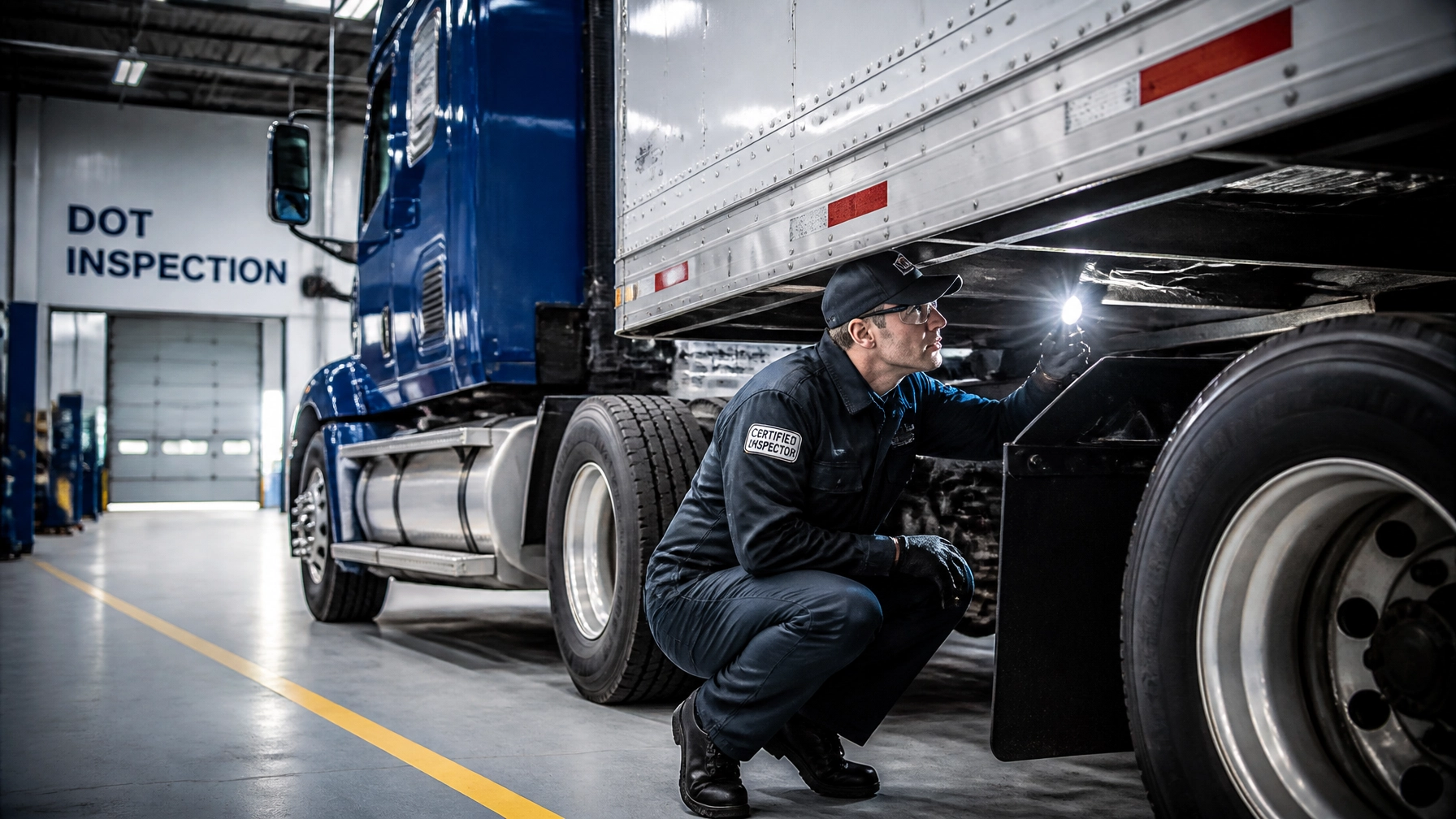
Looking For a Clean DOT Inspection? 5 Things to Know About the 2026 CVSA Updates
For fleet owners and owner-operators in North Florida, a DOT inspection isn't just a regulatory hurdle: it’s a critical health check for your business. In the logistics and transportation industry, downtime is the ultimate enemy. A single Out-of-Service (OOS) order can stall a delivery, rack up fines, and damage your safety rating. As we move through 2026, the Commercial Vehicle Safety Alliance (CVSA) has introduced specific focus areas and updated criteria that every carrier must understand. Staying ahead of these changes ensures your trucks stay on I-95 and I-10 rather than sitting in an enforcement lot. At Northpoint Truck Center, we prioritize your uptime by providing certified DOT inspections and comprehensive fleet maintenance. Here are the five critical updates you need to know to ensure a clean inspection this year. 1. The 2026 International Roadcheck Focus: ELD Compliance and Tampering The 2026 CVSA International Roadcheck, scheduled for May 12–14, centers on two primary categories: one for the driver and one for the vehicle. On the driver side, the spotlight is firmly on Electronic Logging Device (ELD) compliance. Inspectors are no longer just looking to see if you have an ELD; they are looking for signs of tampering, falsification, and unauthorized edits. With the advancement of digital tools, the CVSA has ramped up its ability to detect "ghost driving" and unidentified driving time. What inspectors are checking: Unassigned Mileage: Excessive amounts of unidentified driving time on the device will trigger an audit. PC Misuse: Using Personal Conveyance (PC) to move freight or reposition toward a destination is a major red flag. Data Transfer Proficiency: Drivers must be able to demonstrate they can successfully transfer ELD data to an officer upon request. To minimize risk, ensure your drivers are fully trained on their specific ELD hardware. We often see violations simply because a driver didn’t know how to navigate the menu for an inspector. Regular audits of your Records of Duty Status (RODS) against fuel receipts and GPS data can help you catch inconsistencies before the DOT does. 2. Cargo Securement: It’s Not Just for Flatbeds While the driver focus is on ELDs, the vehicle focus for the 2026 Roadcheck is Cargo Securement. This is a common misconception in the industry; cargo securement rules apply to all commercial motor vehicles, including dry vans and reefers. If you are hauling a sealed trailer, inspectors will still examine what is visible: the integrity of the doors, the condition of any exterior securement devices, and signs of shifting loads that could affect vehicle stability. For open-deck trailers, the scrutiny is even higher. Key areas of concern: Tie-down Condition: Any nicks, knots, or frayed webbing on straps can lead to an OOS order. Anchor Points: Ensure that winches and D-rings are not cracked or improperly welded. Load Distribution: Improperly balanced loads can lead to axle weight violations and increased wear on your brake and air systems. Maintaining the structural integrity of your trailers is essential. Our trailer repair services include detailed inspections of floors, rails, and securement points to ensure your cargo: and your driver: stays safe. 3. New 2026 Out-of-Service Criteria: English Proficiency On April 1, 2026, the new North American Standard Out-of-Service Criteria (OOSC) went into effect. One of the most significant changes involves Driver Qualifications, specifically the English-language proficiency requirement under 49 CFR 391.11(b)(2). The 2026 update clarifies that a driver who cannot speak or read English sufficiently to converse with the general public, understand highway signs, or respond to official inquiries can be placed Out-of-Service. This is no longer just a technicality; it is a safety-critical requirement that inspectors are actively enforcing at scales and roadside stops. Ensure your driver qualification files are up to date and that all drivers meet these regulatory standards. This proactive step prevents preventable delays and ensures clear communication during a roadside stop. 4. Brake Safety Week 2026: The August Enforcement Surge Brake-related violations consistently account for the largest percentage of vehicle out-of-service orders. To combat this, CVSA has scheduled Brake Safety Week for August 23–29, 2026. During this week, inspectors will conduct Level I and Level V inspections with a heavy emphasis on brake system components. They will be looking for air leaks, worn linings, and improper brake adjustment. Even a minor air leak at a glad-hand or a slightly over-extended pushrod can ground a truck. How to prepare: Listen for Leaks: Conduct a daily air loss rate test. Check Pads and Linings: Ensure brake pads meet the minimum thickness requirements. Verify Adjustment: Automatic slack adjusters should be checked for proper function but never manually adjusted as a "quick fix" for an internal mechanical issue. At Northpoint Truck Center, our technicians use advanced diagnostics to identify brake imbalances and potential failures before they become roadside emergencies. A pre-trip inspection at our facility can save you thousands in fines and towing fees. 5. Transitioning from Reactive to Preventive Maintenance The most effective way to secure a clean DOT inspection is to stop viewing inspections as a "test" you have to pass and start viewing maintenance as a competitive advantage. The carriers who succeed in 2026 are those who invest in customized fleet maintenance programs. A preventive maintenance (PM) schedule ensures that every truck in your fleet is looked at by a professional on a regular basis. This allows for the early detection of issues that standard pre-trip inspections might miss: such as hairline cracks in a frame, hidden electrical issues, or internal engine repair needs. Benefits of a PM Program: Lower Overall Costs: It is always cheaper to replace a belt in the shop than an entire engine on the side of the road. Improved CSA Scores: Clean inspections lead to better safety ratings, which can lower your insurance premiums and attract higher-paying freight contracts. Driver Retention: Drivers feel safer and more respected when they are behind the wheel of a well-maintained, compliant vehicle. Our state-of-the-art workshop in North Florida is equipped to handle everything from minor DOT adjustments to major overhauls, ensuring your fleet remains